First Name Signature Font: A Modern Elegance for Professional and Creative Designs
In the world of typography, certain fonts stand out not just for their visual appeal but for the impression they leave on an audience. One such font is First Name, a sleek and stylish signature typeface that has quickly become a favorite among designers, entrepreneurs, and branding professionals. With its thin strokes and elegant flow, it offers a unique blend of sophistication and modernity, making it an excellent choice for a wide range of design applications.
The Distinctive Characteristics of First Name
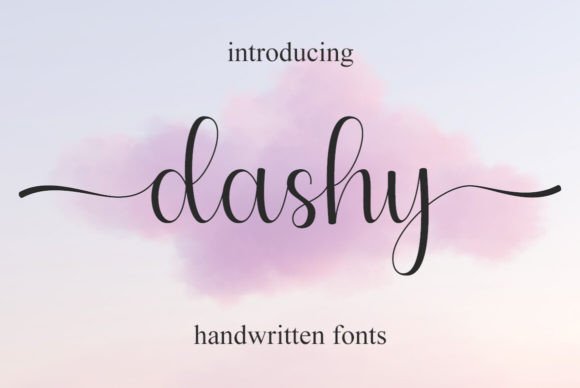
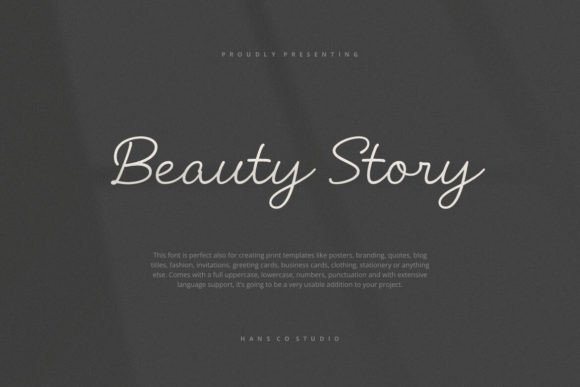
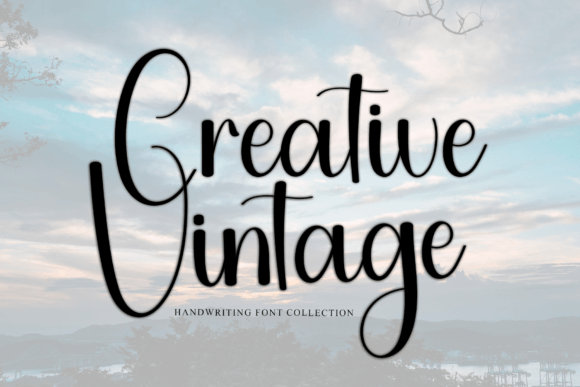
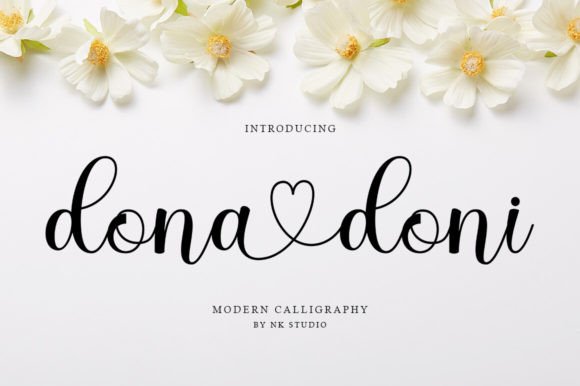
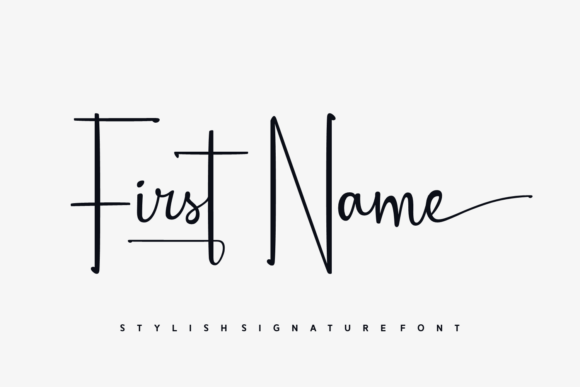
First Name is designed with precision to reflect both professionalism and artistic flair. Its minimalist structure features smooth curves and fine lines that mimic the fluid motion of a handwritten signature. This gives it a personal yet refined look, distinguishing it from more traditional or rigid fonts.
What makes First Name particularly appealing is its balance between legibility and creativity. Each letterform maintains clarity while adding a touch of exclusivity, which is essential when crafting high-impact visuals. The font also comes in multiple weights and styles, allowing users to tailor it to their specific needs without compromising its core elegance.
Why Choose First Name Over Other Signature Fonts?
While there are many signature-style fonts available, First Name differentiates itself through consistency and adaptability. Unlike some handwritten fonts that can appear too casual or inconsistent, this font maintains a polished appearance across all characters. It’s engineered to be used at various sizes and resolutions, ensuring it looks great whether printed on a business card or displayed as part of a digital logo.
Another key factor is its versatility. First Name works equally well in both print and digital formats. For instance, it can be used in social media posts where a subtle signature effect adds personality without overwhelming the content. In contrast, it can also serve as the primary text in luxury product packaging, where elegance is paramount.
Practical Use Cases for First Name
The real-world applicability of First Name is vast. Here are several scenarios where it shines:
- Logo Design: Businesses aiming for a modern and sophisticated brand identity often turn to signature fonts. First Name fits this niche perfectly, offering a memorable and visually striking option for company logos.
- Personal Branding: Individuals who want to create a strong personal presence—such as influencers, authors, or consultants—can use this font in their signatures, website headers, or promotional materials to add a distinctive touch.
- Business Cards: A well-designed business card can make a lasting first impression. By incorporating First Name, professionals can elevate the aesthetic of their cards while maintaining readability and style.
- Social Media Posts: Whether it's Instagram bios, Twitter headers, or Pinterest banners, First Name helps creators establish a cohesive and elegant visual language online.
- High-End Product Packaging: Luxury brands often rely on typography to communicate quality and exclusivity. First Name’s clean lines and graceful curves align well with these goals, enhancing the perceived value of products.
Real-World Examples
Consider how a boutique fashion brand might use First Name in their label designs. The font's delicate nature complements the soft textures and premium aesthetics of the clothing, reinforcing the brand’s image of sophistication. Similarly, a tech startup could use the font in their tagline to suggest innovation and modernity while still appearing approachable and trustworthy.
Advantages of Using First Name in Design Projects
Choosing First Name for your design projects offers several strategic benefits:
- Memorability: Unique fonts like First Name help set your brand apart. People tend to remember logos and designs that feel exclusive and tailored.
- Timelessness: While trends come and go, the minimalist and elegant style of First Name ensures it remains relevant over time. It avoids the pitfalls of overly trendy fonts that may date quickly.
- Professionalism: The font’s clean construction and balanced proportions convey a sense of professionalism, making it suitable for formal contexts like contracts, presentations, and official documents.
- Creativity and Flexibility: With its range of variations, First Name can be adapted to suit both bold and subtle design elements, providing creative freedom without sacrificing coherence.
Enhancing User Experience Through Typography
Typography isn’t just about aesthetics—it plays a critical role in user experience (UX). When used correctly, First Name enhances the overall look and feel of a project by guiding the viewer’s eye and reinforcing brand messaging. For example, using the font in a call-to-action button can subtly influence perception, making the action feel more personal and urgent.
Design Considerations When Using First Name
While First Name is highly versatile, it’s important to consider a few design principles to ensure optimal usage:
- Contrast: Pair First Name with a contrasting font to maintain readability. A bold sans-serif or serif font works well as a supporting typeface in body text or headlines.
- Color Choice: Because of its thin strokes, the font benefits from being placed against light or neutral backgrounds. Darker colors or metallic tones can further enhance its luxurious appeal.
- Spacing and Kerning: Proper spacing between letters and words is crucial. Due to its slender form, First Name can sometimes appear cramped if not adjusted carefully.
- Contextual Appropriateness: Though beautiful, it may not be ideal for every situation. Avoid using it in large blocks of text where legibility becomes a concern, and instead reserve it for accents, titles, or short phrases.
Best Practices for Implementation
To integrate First Name effectively into your work, start by identifying the purpose of the design. If you're creating a logo, experiment with different color schemes and layout options to see how the font interacts with other elements. For web design, test it across various devices and screen sizes to ensure it remains clear and impactful.
Also, consider the cultural context. In some industries, a handwritten font may be seen as unprofessional. However, in creative fields such as fashion, art, or lifestyle branding, it can be a powerful tool for conveying individuality and refinement.
How First Name Fits Into Current Design Trends
Typography trends have evolved significantly in recent years, with a growing emphasis on minimalism and bespoke aesthetics. First Name aligns perfectly with these trends, offering a contemporary take on classic script fonts. It reflects the modern designer’s need for tools that combine functionality with flair.
Additionally, the rise of personal branding and influencer culture has increased demand for fonts that feel authentic and handcrafted. First Name meets this demand by delivering a signature style that feels both natural and intentional. Its popularity has grown alongside the increasing importance of visual storytelling in marketing and communications.
Observations on Industry Adoption
Many small businesses and independent creators have embraced First Name as part of their visual strategy. Notably, lifestyle bloggers often use it in their website headers or signature lines to create a warm, personal connection with their audience. Meanwhile, graphic designers working with luxury clients find it invaluable for conveying a sense of exclusivity and craftsmanship.
Comparing First Name to Similar Fonts
When selecting a signature font, it’s helpful to understand how First Name compares to others in the same category. For example:
- Great Vibes: Known for its flowing, cursive style, Great Vibes is similar in spirit but tends to be less structured and more whimsical than First Name.
- Kalam: Another popular choice, Kalam has a handwritten feel but lacks the consistent weight and professional tone that First Name provides.
- Playfair Display: Though more of a serif font, Playfair Display shares a similar level of sophistication. However, it doesn’t offer the same signature-like qualities as First Name.
Each of these fonts has its place, but First Name stands out for its ability to bridge the gap between handwriting and typographic precision. It’s a rare combination that allows for both emotional resonance and professional credibility.
Educational and Research Applications
Beyond commercial use, First Name has found its way into academic and research settings. Educators designing course materials or university branding might use it to create a welcoming and approachable atmosphere. Researchers presenting findings at conferences can leverage the font to highlight names or titles in a way that feels both authoritative and engaging.
Future-Proofing Your Design Choices
As design trends continue to shift, having access to a font like First Name ensures that your branding stays ahead of the curve. Its timeless qualities mean it won’t become obsolete quickly, and its adaptability allows it to evolve with your brand’s visual identity over time.
Moreover, with the increasing focus on mobile-first design, fonts must perform well on smaller screens. First Name was crafted with scalability in mind, ensuring it retains its beauty and clarity even at reduced sizes.
Accessibility and Readability
Though First Name is primarily used for stylistic purposes, it was also developed with accessibility in mind. Clear letterforms and consistent stroke widths reduce the risk of misinterpretation, especially in digital environments where users may encounter the font on varying devices and platforms. This balance between style and function is what makes it a standout choice for both designers and end-users.
Conclusion
First Name is more than just a signature font—it's a design asset that brings together elegance, clarity, and adaptability. Whether you’re a business owner looking to refine your brand or a hobbyist experimenting with new creative tools, this font offers a compelling solution for those who seek to leave a lasting impression. Its thoughtful design and broad usability make it a valuable addition to any typographer’s toolkit, proving that good typography is not only about beauty but also about purpose and performance.