Exploring the Elegance of Variety Font
When it comes to typography, choosing the right font can significantly impact the overall aesthetic and effectiveness of a design. Font Variety, also known as Variety, is a stylish and elegant script typeface that has gained popularity for its graceful appearance and versatility in various design contexts. This article will explore what Variety is, why it might be of interest to designers and creators, and how it can best be used to meet specific needs.
What Is Variety?
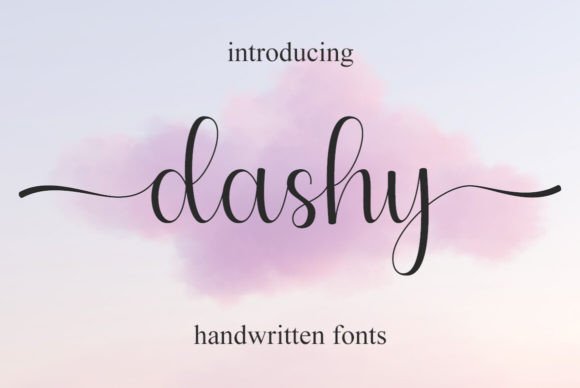
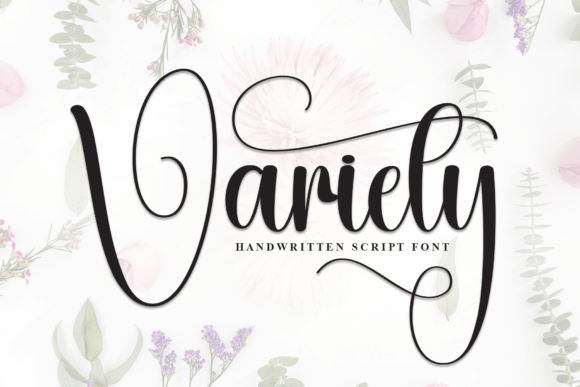
Font Variety is a digital script font inspired by the beauty of handwritten calligraphy. Its flowing letters and delicate serifs give it an organic feel while maintaining a polished and refined look. The font is designed to mimic the natural movement of the hand, making it ideal for projects that require a personal yet sophisticated touch.
Developed with attention to detail, Variety offers multiple weights and styles, including regular, bold, and italic variations. These options allow for greater flexibility when applying the font across different media, from print to digital platforms. Additionally, the font includes ligatures and alternate characters to enhance its visual appeal and authenticity.
Why Consider Variety?
Designers often seek fonts that convey personality without compromising readability or professionalism. Font Variety stands out due to its balance between artistic flair and usability. Here are several reasons someone might consider using this font:
- Elegant Aesthetic: Its soft curves and elegant strokes make it visually appealing for formal or romantic designs.
- Handwritten Charm: The font’s script style adds a sense of warmth and individuality, which is especially effective in branding and invitations.
- High-Quality Design: With carefully crafted glyphs and spacing, Variety maintains clarity even at smaller sizes.
- Versatility: It can be adapted to both modern and traditional themes depending on the weight and context of use.
Benefits of Using Variety
The benefits of using Font Variety depend largely on the project’s goals. For instance, in wedding invitations, it can create a sense of intimacy and celebration. In logos or branding materials, it can evoke a sense of sophistication and trust. Some key advantages include:
- Professional Presentation: Despite being a script font, Variety is clean and structured enough for professional settings.
- Emotional Resonance: Script fonts like Variety are known for their ability to convey emotion and character, which can be powerful in storytelling or marketing.
- Compatibility: It works well in both print and digital formats, supporting a range of file types and design software.
- Customization Options: Ligatures, alternates, and stylistic sets provide opportunities to tailor the font to specific creative visions.
Tradeoffs and Considerations
While Font Variety offers many strengths, it is important to weigh these against potential limitations. Script fonts, by nature, may not always be the most readable option for large blocks of text or body copy. Here are some considerations to keep in mind before deciding to use Variety:
- Readability Concerns: Because of its cursive style, Variety may be harder to read than sans-serif or serif fonts in certain contexts, such as long paragraphs or small text sizes.
- Use in Digital Media: While it looks great in print, screen readability can vary depending on the device and resolution. Always test it in real-world scenarios before finalizing a design.
- Design Complexity: The ornate nature of Variety means it may not suit minimalist or highly technical layouts where simplicity is key.
- Licensing Restrictions: Ensure you understand the licensing terms if using Variety commercially or across multiple platforms.
Situations Where Variety Excels
Font Variety is particularly well-suited for designs that benefit from a handwritten, personal touch. Common applications include:
- Wedding Invitations: The font’s elegance makes it a popular choice for couples looking to add a romantic and timeless feel to their stationery.
- Business Cards: It can help establish a brand identity that feels warm and approachable, especially for industries like fashion, art, or hospitality.
- Greeting Cards and Thank You Notes: The script style enhances the sentimentality of messages and appeals to users who want to stand out with a unique design.
- Quotes and Social Media Graphics: Short phrases or motivational quotes become more engaging when presented in Variety’s refined handwriting style.
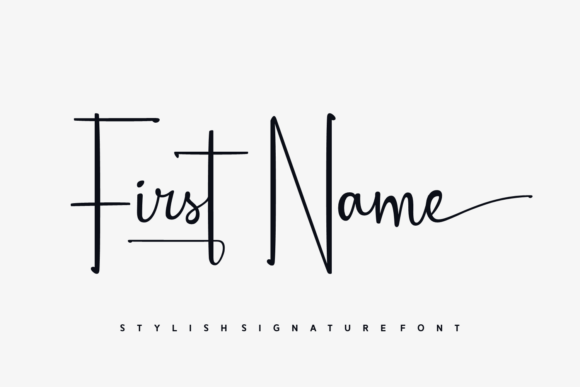
- Logo Design: When used sparingly, Variety can add a memorable signature element to logos for boutique businesses or lifestyle brands.
When to Consider Alternatives
Although Font Variety is versatile, there are situations where other fonts might be a better fit. If your project requires high readability, such as:
- Newsletters or reports,
- Websites with large amounts of text,
- Signage in public spaces,
- Children's books or educational materials,
you may want to opt for a more legible typeface. Sans-serif fonts like Helvetica or Arial, or serif fonts like Georgia or Times New Roman, are typically more suitable for these purposes. Similarly, for designs requiring a strong visual hierarchy or contrast, pairing Variety with a complementary sans-serif or monospace font can yield better results.
Practical Tips for Using Variety Effectively
If you’re considering using Font Variety, here are some practical insights to guide your decision-making process:
- Pairing with Other Fonts: Use Variety alongside a simpler, more structured font to maintain readability and balance. For example, pair it with a modern sans-serif for headings and a clean serif for body text.
- Test Readability: Before committing to Variety for a full layout, test how it appears in the intended context—especially if it involves any amount of body text.
- Use for Impact: Save Variety for headlines, titles, or short impactful phrases rather than lengthy passages. This preserves its beauty while ensuring content remains accessible.
- Consider Cultural and Contextual Fit: Script fonts can sometimes be perceived differently across cultures or industries. Make sure Variety aligns with the tone and audience of your project.
Does Variety Align with Your Needs?
To determine whether Font Variety is the right choice for your project, ask yourself the following questions:
- Do I need a font that conveys elegance and sophistication?
- Will the font be used primarily for short texts or decorative elements?
- Am I targeting an audience that values personalization and creativity in design?
- Can I ensure that the font remains legible in the chosen format and size?
Answering "yes" to these questions suggests that Variety could be a good match. However, if your primary concern is readability or you're working within a highly functional design space, it may be wise to explore alternative options.
Final Thoughts
Font Variety is a beautiful and expressive script font that brings a touch of class to a wide array of design projects. Its strength lies in its ability to blend the charm of handwriting with the precision of digital typography. However, like all design choices, its effectiveness depends on the context and purpose of the work. By evaluating your specific needs and testing the font in real-world applications, you can decide whether it enhances your message or distracts from it.
Ultimately, Variety is a tool—not a solution. Its value comes from how well it supports your creative vision and communicates your intended message to your audience. Whether you're designing a luxury brand logo or crafting personalized thank-you cards, understanding the role of typography will help you make informed decisions that elevate your work.