Overthinking: A Handwritten Font with Romantic Elegance and Practical Appeal
Typography plays a crucial role in visual communication, shaping the tone and feel of any design project. Among the many fonts available today, Overthinking stands out as a unique handwritten script that blends artistic charm with functional versatility. Whether you're designing greeting cards, branding materials, or editorial layouts, this font offers a romantic and expressive aesthetic that can elevate your creative output. But beyond its visual appeal, Overthinking is also a practical tool for professionals who value both style and usability.
What Is Overthinking?
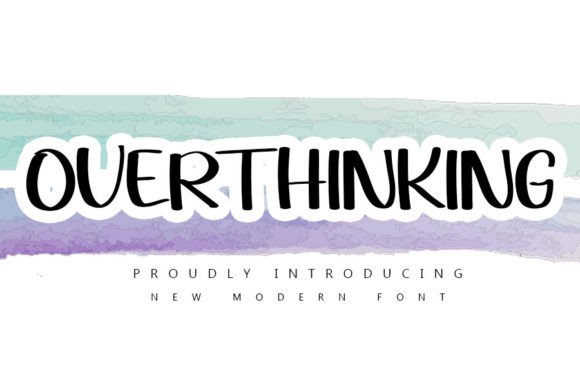
Overthinking is a modern handwritten script font characterized by its fluid curves, soft serifs, and slightly irregular stroke widths. It mimics the natural flow of cursive handwriting while maintaining a level of refinement that makes it suitable for both casual and professional contexts. The name "Overthinking" suggests an introspective and thoughtful approach—perhaps a nod to the careful craftsmanship behind the font's design.
This typeface isn't just about looks; it’s designed to be used effectively across various platforms and mediums. From digital content like social media posts and websites to print-based projects such as invitations and packaging, Overthinking adapts well without losing its essence. Its balance between elegance and readability is what makes it a compelling choice for designers looking to add warmth and personality to their work.
Key Characteristics of Overthinking
- Handwritten Aesthetic: The organic feel of Overthinking gives it a personal touch, making it ideal for designs that aim to evoke emotion or intimacy.
- Soft and Flowing Strokes: The gentle curves and transitions between letters create a sense of movement and grace, reminiscent of a heartfelt handwritten note.
- Subtle Irregularities: Small variations in letterforms add character and authenticity, avoiding the robotic look of overly polished script fonts.
- Comprehensive Glyph Set: Overthinking includes a wide range of characters, ligatures, and alternate glyphs, which allow for more dynamic and customized text treatments.
- Multiple Weights and Styles: Depending on the version, users may have access to different weights (e.g., regular, bold) and stylistic options, offering flexibility in design applications.
Purpose and Strengths
The primary purpose of Overthinking is to provide a visually appealing and emotionally resonant typographic solution. Its romantic flair makes it especially popular among creatives working in niches like wedding design, lifestyle branding, and content marketing. However, its strengths extend beyond aesthetics:
- Adaptability: Overthinking works well in both large headlines and smaller body texts when used appropriately. In headlines, it commands attention with its expressive nature; in smaller sizes, it maintains legibility if the design context supports it.
- Brand Differentiation: For businesses aiming to stand out with a softer, more approachable brand identity, this font helps establish a memorable visual presence.
- Creative Flexibility: With support for OpenType features, such as ligatures and stylistic alternates, Overthinking allows designers to tailor the font to their specific needs, enhancing creativity and uniqueness.
- Wide Format Compatibility: Available in formats like TTF and OTF, it integrates smoothly into most design software including Adobe Illustrator, Photoshop, InDesign, and Figma.
Real-World Performance
In practice, Overthinking proves to be a reliable asset for both digital and print projects. When used for headlines or titles, it adds a layer of sophistication that can enhance the overall mood of a design. For instance, a boutique hotel might use Overthinking in their promotional materials to convey a sense of warmth and exclusivity.
On the other hand, using it for long-form text—such as blog articles or product descriptions—requires caution. While the font is legible in short phrases, extended reading passages may suffer from reduced clarity due to its script style. This limitation doesn’t diminish its usefulness but rather emphasizes the importance of appropriate application.
One notable real-world example is its use in custom wedding invitations. Designers often choose Overthinking for calligraphy-style names and vows because it feels genuine and heartfelt. Similarly, lifestyle bloggers frequently incorporate it into headers and pull quotes to give their content a more personal and inviting appearance.
Quality and Usability
Overthinking is crafted with high-quality vector outlines, ensuring crisp rendering at any size. The font’s structure is balanced, with consistent spacing and alignment that make it easy to work with in layout-heavy environments. Its usability is further enhanced by the inclusion of multilingual support, which broadens its appeal for international audiences.
For those new to using script fonts, Overthinking serves as a great entry point. It doesn’t demand advanced typographic skills to produce excellent results, yet it still offers enough depth to satisfy seasoned designers. Pairing it with a clean sans-serif or serif font for supporting text ensures a harmonious and effective typographic hierarchy.
Who Benefits Most from Overthinking?
While Overthinking appeals to a broad audience, certain professionals and creators will find it particularly beneficial:
- Graphic Designers: Especially those working in branding, illustration, and editorial design where a human touch is essential.
- Marketing Teams: Looking to craft campaigns with emotional resonance, such as holiday promotions or storytelling-focused content.
- Bloggers and Content Creators: Who want to inject personality into their blog headers, quotes, or social media captions.
- Entrepreneurs and Small Business Owners: Seeking to build a brand image that feels authentic and relatable.
- Event Planners: Creating elegant invitations, signage, and décor elements for weddings, galas, or private events.
Its romantic and emotive qualities are especially useful for industries like fashion, beauty, and wellness, where conveying a sense of care and connection is key. Educators and publishers may also benefit from using Overthinking in educational resources or book covers to attract readers with a more personal and engaging look.
Flexibility and Consistency
Flexibility is one of Overthinking’s greatest assets. It can be adapted to suit minimalist or ornate design styles depending on how it’s paired with other elements. For example, combining it with muted colors and simple shapes can result in a subtle, elegant design, while pairing it with bold graphics and vibrant hues can create a dramatic statement.
Consistency is another strong point. Despite being a handwritten font, Overthinking maintains a cohesive rhythm and proportion throughout its character set. This consistency helps avoid visual chaos, which is common in some less structured script fonts. As a result, it remains readable even in complex compositions.
Reliability and Presentation
From a technical standpoint, Overthinking is dependable. It installs without issues on most operating systems and performs well in both print and screen environments. The font’s presentation is clean and professional, which means it won’t introduce unnecessary artifacts or inconsistencies during export or printing.
Designers who rely on precise kerning and tracking will appreciate the thoughtfully spaced characters in Overthinking. Though not perfect for every scenario, the font’s attention to detail minimizes the need for manual adjustments, saving time and effort in the design process.
Practical Recommendations for Using Overthinking
To get the most out of Overthinking, consider the following tips:
- Use it Sparingly: Limit its use to accent text, logos, or headings to maintain readability and impact.
- Pair with Simpler Fonts: Combine it with a neutral sans-serif or serif font for body copy to create contrast and balance.
- Leverage Ligatures: Enable stylistic ligatures to refine the appearance of connected characters, especially in longer phrases.
- Test in Multiple Sizes: Before finalizing a design, test Overthinking at different sizes to ensure it retains clarity and charm.
- Consider Color Contrast: Use darker shades or high-contrast color combinations to make the font pop without overwhelming the design.
A good rule of thumb is to apply the font in situations where the message benefits from a personal or romantic tone. Avoid using it in legal documents, financial reports, or other formal texts where clarity and precision are paramount.
Effectiveness and Long-Term Value
When evaluating the effectiveness of Overthinking, it’s clear that the font delivers on its promise of adding a romantic and expressive feel to projects. Its ability to adapt to different design contexts and maintain visual integrity over time speaks to its long-term value. Unlike trend-driven fonts that may fall out of favor quickly, Overthinking has a timeless quality that aligns with classic design principles.
Investing in this font is a strategic move for creatives who want to expand their typographic toolkit. Its thoughtful design and broad applicability mean it can be used across multiple projects, making it a cost-effective addition to any designer’s library.
Limitations and Considerations
No font is perfect for every situation, and Overthinking is no exception. One potential drawback is its limited suitability for dense body text. While it excels in short bursts of text, prolonged use may lead to reader fatigue. Additionally, the font’s romantic tone might not align with all brand identities, particularly those in tech, finance, or corporate sectors where minimalism and professionalism are preferred.
Another consideration is licensing. Always verify the font’s usage rights before incorporating it into commercial projects. Some versions may require additional permissions for web embedding or redistribution, so understanding the terms is vital to avoid legal complications.
Final Thoughts
Overthinking is more than just a pretty font—it’s a versatile and expressive typographic resource that can bring a sense of warmth and authenticity to a variety of design projects. Its thoughtful construction, combined with a romantic and elegant aesthetic, makes it a valuable tool for professionals and hobbyists alike.
If your next project calls for a font that balances beauty with functionality, Overthinking is worth exploring. Just remember to use it wisely and in the right context to maximize its impact. By doing so, you’ll not only enhance the visual appeal of your work but also connect more deeply with your audience through thoughtful typography choices.