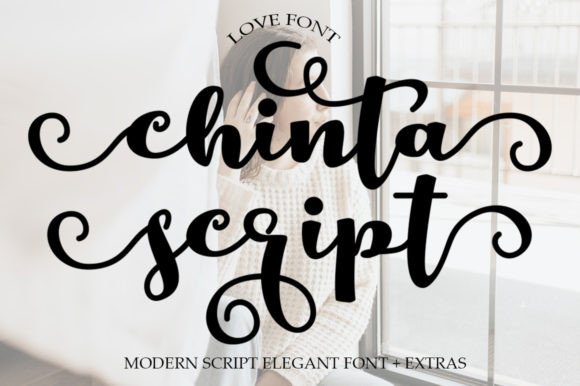
Chinta: A Handwritten Font That Elevates Your Design with Elegance
Fonts play a crucial role in how your message is perceived. Whether you're designing a wedding invitation, a thank you card, or even branding materials for your business, the right typeface can make all the difference. Chinta, a beautifully crafted handwritten font, brings a unique charm and sophistication to any design project. Its fluid curves and graceful strokes offer a personal touch that resonates with audiences seeking authenticity and style.
What Makes Chinta Stand Out?
Handwritten fonts have gained immense popularity in recent years because they add warmth and character to digital and print designs alike. Chinta is no exception. Designed with elegance in mind, it blends modern readability with classic cursive flair. This balance makes it versatile enough for both formal and casual uses, from professional logos to heartfelt greeting cards.
One of the most appealing features of Chinta is its PUA encoding. This means you can access an extended set of glyphs and swashes without needing advanced design software. The font includes alternate characters, ligatures, and flourishes that enhance visual appeal while maintaining usability across different platforms.
Where Can You Use Chinta?
- Wedding invitations: Its romantic and elegant look complements traditional and contemporary wedding themes.
- Thank you cards: Adds a personal and sincere tone to your gratitude.
- Quotes and motivational posters: Makes the text more engaging and visually striking.
- Business cards: Offers a memorable and creative edge for entrepreneurs and creatives.
- Logos and branding: Perfect for businesses aiming to convey a handcrafted or artisanal feel.
Common Mistakes When Choosing and Using Chinta
Despite its versatility, many users overlook important considerations when working with Chinta. These mistakes can lead to suboptimal results and affect the overall quality of their designs. Here are some of the most common pitfalls and how to avoid them:
1. Ignoring Readability
While the aesthetic of a handwritten font like Chinta is undeniably beautiful, it's easy to become so focused on style that readability is compromised. Some letters may appear too similar, especially in lowercase form, making the text harder to read at smaller sizes.
Better approach: Always test how the font looks in various sizes and line heights before finalizing your design. Avoid using Chinta for long paragraphs or body text unless you’re going for a very specific artistic effect.
2. Overusing Swashes and Alternate Characters
Chinta comes with a range of decorative elements, including swashes and alternate glyphs. However, overusing these can create a cluttered appearance and distract from the main message.
Example: If you're designing a logo for a boutique, adding too many swashes might give the impression of being overly ornate rather than stylish and refined.
Tip: Use decorative elements sparingly—maybe just at the beginning and end of words or phrases. Keep the majority of the text clean and legible to maintain professionalism.
3. Not Checking Licensing Terms Before Downloading
Many people download fonts without reading the licensing agreements, which can lead to legal issues down the line. Chinta is available through several platforms, but each has its own terms regarding commercial use, web embedding, and redistribution.
What to do: Always verify the font’s license before downloading. Look for clear information about permitted usage, especially if you plan to use it in a client project or online store. Reputable font marketplaces will provide this detail upfront.
Choosing the Right Format and Version
When selecting Chinta for your project, it's essential to choose the correct file format and version. Most font files come in either TTF (TrueType) or OTF (OpenType) formats. While both work well, OTF typically supports more advanced typographic features, such as ligatures and alternate glyphs, which Chinta offers in abundance.
Mistake: Using a basic TTF version of Chinta when the design requires special characters or swashes.
Solution: Opt for the OpenType version to unlock the full potential of the font. Make sure to install it properly and check for updates if you're using it frequently.
Testing Before Finalizing
Before settling on Chinta for a major project, always run a few tests. How does it look in different colors? Does it pair well with other fonts in your design? Are there any spacing or alignment issues?
A practical way to evaluate is by creating a sample layout with placeholder text. This helps you visualize how the font performs in context and whether it enhances or detracts from the message.
Matching Chinta with Other Fonts
Using Chinta alone can be stunning, but pairing it with complementary fonts can elevate your design further. However, not every combination works well. One common mistake is choosing a similarly styled font for contrast, which can lead to a confusing visual hierarchy.
Good example: Pairing Chinta with a clean sans-serif like Montserrat or Lato for a modern yet elegant look.
Poor example: Combining Chinta with another cursive or script font, which may reduce clarity and dilute the impact of both.
To avoid this, follow the "script + sans" rule. Choose a bold or semi-bold sans-serif to act as a strong foundation, then let Chinta take the spotlight in headings or accents. This ensures your content remains scannable and visually balanced.
Color and Contrast Considerations
Chinta’s intricate details mean it doesn’t always work well with dark or busy backgrounds. Using it on a textured or patterned backdrop without sufficient contrast can make the text difficult to read.
Best practice: Apply Chinta on light-colored or solid backgrounds where the strokes won't get lost. For darker tones, consider using a white or off-white color with a subtle drop shadow to ensure visibility.
Practical Uses for Chinta
Here are some real-world scenarios where Chinta shines and what to keep in mind to maximize its effectiveness:
Wedding Invitations
Chinta is often used for wedding stationery due to its romantic feel. But not all couples consider the weight of the font or the ink used when printing. Lighter weights may appear faded, especially on matte paper.
Advice: Choose a medium or bold weight variant for printed materials. Test the font with your chosen paper and ink to ensure it prints clearly and looks as intended.
Logo Design
Chinta adds a distinctive personality to logos, particularly for lifestyle brands, art studios, or boutique shops. However, using it in a logo without considering scalability can result in poor performance on small signage or digital profiles.
Correction: Simplify the design by limiting the number of characters and avoiding excessive swashes. Ensure the font looks good at 50px and also at 20px for consistency across all media.
Quotes and Social Media Content
Handwritten fonts like Chinta are perfect for sharing quotes on Instagram or Pinterest. But using it without proper kerning or tracking adjustments can make the text look unpolished.
Fix: Use design tools like Adobe Illustrator or Canva to fine-tune spacing between characters. Even minor adjustments can significantly improve the flow and aesthetics of the text.
How to Access and Install Chinta
Downloading and installing Chinta is straightforward, but there are a few steps you should never skip:
- Visit a trusted font marketplace such as Creative Market, MyFonts, or Envato Elements.
- Verify the font name and author to ensure you're getting the genuine version.
- Download the appropriate file format (OTF recommended).
- Install the font on your device via the standard installation process for your operating system.
- Test it in your preferred design software before applying it to a live project.
If you're using Chinta on a website, make sure to include it via a web-safe method like Google Fonts or embed it correctly using @font-face. Web versions often require separate licensing, so double-check the rules.
Why People Love Chinta
Chinta has earned a loyal following among designers and creators who appreciate its balance of beauty and functionality. It’s praised for:
- Its natural, flowing script that mimics human handwriting.
- The inclusion of PUA-encoded characters for easy access to stylistic variations.
- Its compatibility with most design and publishing software.
- The emotional resonance it brings to personal and brand messaging.
Users often mention how Chinta transforms simple text into something memorable. Whether it’s a quote that inspires or a logo that stands out, the font adds a layer of intentionality that can resonate deeply with the audience.
Real-World Examples
Consider a boutique coffee shop using Chinta for its signage. The font gives the brand a cozy, artisanal vibe that aligns perfectly with its identity. In contrast, a startup using the same font for a pitch deck might struggle with readability, especially during presentations.
This highlights the importance of understanding your audience and purpose. Chinta works best when it supports the mood and message of your design, rather than overshadowing it.
Final Thoughts on Using Chinta Effectively
Fonts are more than just letters—they're part of the storytelling. With Chinta, you're not just choosing a typeface; you're selecting a voice that speaks to elegance, creativity, and authenticity. By avoiding common missteps and thoughtfully integrating it into your projects, you’ll unlock its full potential and create designs that leave a lasting impression.
Before committing to Chinta, take a moment to consider how it fits within your design goals. Will it enhance the message or confuse it? Is it scalable and readable across different mediums? Answering these questions will help you make a more informed decision and avoid unnecessary revisions later on.