Head: The Handwritten Font That Elevates Every Design
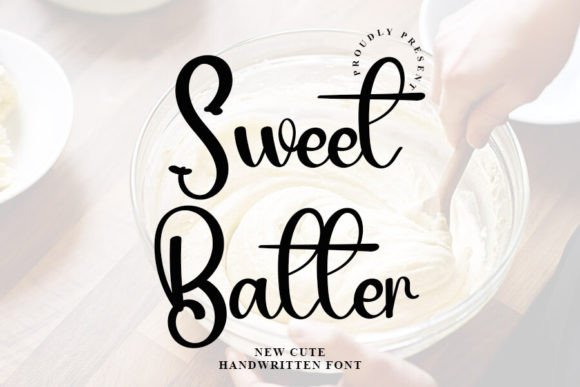
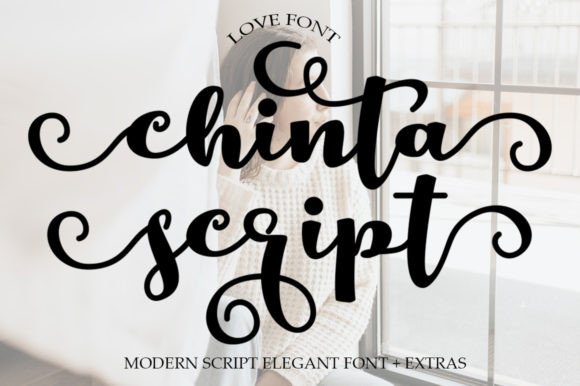
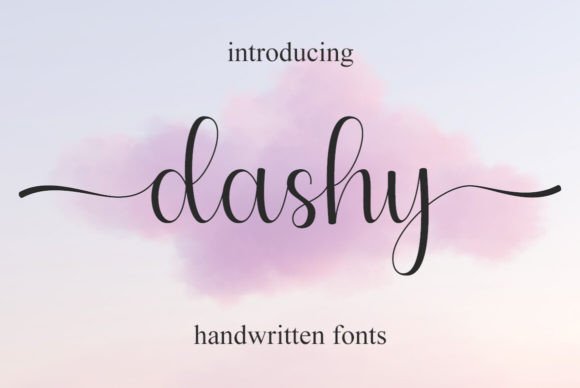
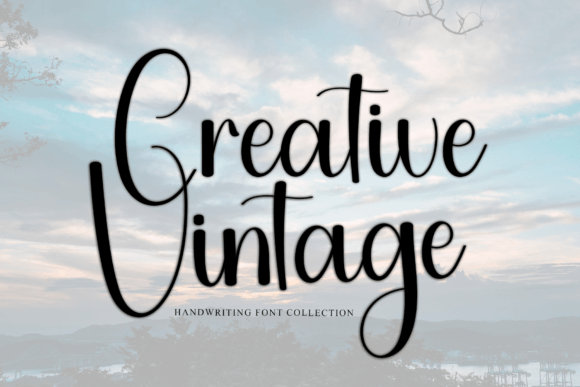
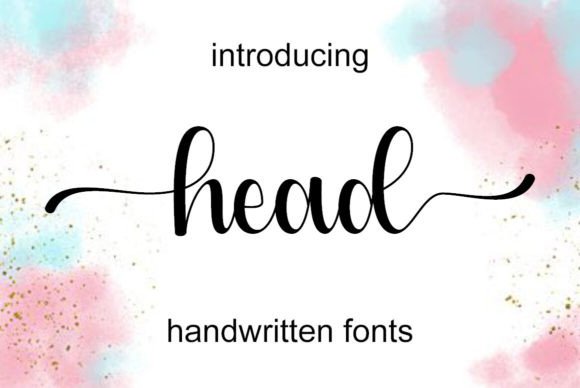
Handwritten fonts have a unique way of making designs feel personal, warm, and authentic. One standout in this category is Head, an elegant and stylish typeface that brings a touch of handwritten charm to any project. Whether you're creating a wedding invitation or designing a business card, Head offers the perfect blend of creativity and professionalism. This font is particularly popular among designers who appreciate its fluid curves and graceful strokes.
Why Choose Head for Your Next Project?
Fonts can make or break a design. They set the tone, convey personality, and influence how your message is received. Head stands out because it feels like a real person wrote each character — but with the consistency and quality of a professionally crafted typeface. Its PUA encoding ensures that users can easily access all glyphs and alternates, giving them more flexibility without the hassle of complicated input methods.
This makes Head ideal for both beginners and seasoned professionals. If you’re new to typography and need something that looks great right out of the box, Head delivers. For those who are more experienced, the variety of ligatures and stylistic options allows for creative customization while maintaining legibility and elegance.
Real-World Uses for Head
- Wedding Invitations: A wedding invitation is one of the most important first impressions of your big day. With Head, you can craft an invite that feels romantic and bespoke. Its flowing style adds a sense of intimacy and luxury, which is especially effective when paired with soft pastel colors or delicate watercolor illustrations.
- Thank You Cards: Whether you're sending gratitude after a birthday party or a graduation event, Head’s handwritten aesthetic makes your message feel more heartfelt. The font helps differentiate between a mass-produced thank you note and one that was truly crafted with care.
- Quotes and Social Media Posts: Inspirational quotes often require a font that conveys emotion and thoughtfulness. Head fits the bill perfectly, whether you're printing a quote on canvas or sharing it online. Its readability at different sizes also makes it a strong choice for Instagram captions, Pinterest pins, or Facebook posts where visual appeal is key.
- Greeting Cards: From birthdays to holidays, greeting cards benefit from a personal touch. Using Head gives your cards a handmade feel, even if they were created digitally. It’s versatile enough to work for both casual and formal occasions, depending on how it's styled.
- Logos and Branding: While many might assume handwritten fonts are too informal for logos, Head proves otherwise. When used correctly, it can add a unique flair to brands that value authenticity and creativity. Think boutique cafes, artisanal shops, or creative agencies that want to stand out with a memorable identity.
- Business Cards: Business cards aren’t just about listing contact details — they’re about making a lasting impression. Head is excellent for businesses that want to exude warmth and approachability. It works well for consultants, freelancers, and entrepreneurs who aim to connect on a personal level with their clients.
Who Can Benefit Most from Head?
Head isn't limited to just one industry or user group. Here are a few examples of how different people might find it useful:
Creative Professionals
Graphic designers, illustrators, and artists often look for fonts that complement their hand-drawn work. Head integrates seamlessly into such projects, helping maintain a cohesive theme. For example, a designer working on a branding package for a stationery line could use Head for product names and taglines, enhancing the overall handmade vibe of the brand.
Entrepreneurs and Small Business Owners
Small business owners frequently use Head to create a warm and inviting brand presence. A local bakery might choose it for their logo to evoke a sense of craftsmanship and home-cooked goodness. Similarly, a yoga studio could use Head in promotional materials to reflect mindfulness and creativity.
Bloggers and Content Creators
Bloggers and YouTubers looking to add a personal touch to their content may use Head for headers, titles, or social media graphics. It’s especially effective in lifestyle blogs, travel vlogs, or beauty channels where aesthetics play a big role. Imagine using Head in a blog post titled “5 Simple Morning Routines” — the font immediately sets a calm, thoughtful tone.
Event Planners and Wedding Designers
Event planners often rely on fonts to enhance the atmosphere of their events. Head is a favorite for its ability to blend romance with sophistication. It can be used in everything from table numbers to signage, helping guests feel immersed in the event’s theme. Many planners also use it in digital mockups before finalizing printed designs, thanks to its clear rendering across platforms.
Educators and Publishers
In educational settings, teachers sometimes use Head for classroom posters or motivational signs. It adds a friendly, engaging feel to learning spaces. Publishers and book designers might incorporate it into chapter headings or cover art for poetry collections, children's books, or journals that emphasize creativity and expression.
How to Use Head Effectively
While Head is visually appealing, it’s important to use it wisely. Here are some tips to help you get the most out of this font:
- Pair it with the Right Fonts: To avoid a cluttered look, balance Head with a clean sans-serif or serif font for body text. For instance, pairing Head with Lato or Georgia can create a beautiful contrast between elegance and simplicity.
- Use Sparingly: Because it’s so expressive, overusing Head can lead to a lack of clarity. Reserve it for headlines, titles, and short phrases rather than long paragraphs or dense copy.
- Experiment with Alternates: Thanks to its PUA encoding, Head includes a range of alternate characters. These can subtly change the look of your text and give your design a more personalized feel. Just don’t go overboard — consistency is still important for readability.
- Match the Color and Background: The font works best against light backgrounds and neutral tones. Darker shades or textured paper can enhance its handwritten feel, but bright or busy backdrops might distract from its elegance.
When Not to Use Head
Even though Head is incredibly versatile, it’s not always the best choice. Avoid using it in situations where legibility is critical, such as legal documents, technical manuals, or data-heavy reports. Also, consider the audience — if you're targeting a corporate client, a more traditional font might be better suited for the task.
Where to Find and How to Download Head
If you’re ready to try Head, you’ll find it available through various font marketplaces and design websites. Always check for licensing terms before downloading, especially if you plan to use it for commercial purposes. Some platforms offer free versions with limited features, while others sell full licenses that include all glyphs and alternates.
Once downloaded, installing Head is straightforward. Simply follow the instructions provided by your operating system or design software. After installation, you can start experimenting with its alternates and ligatures to customize your text exactly how you want it.
Final Thoughts on Realistic Applications
Font choices matter because they shape the way your audience perceives your message. Head is more than just a pretty typeface — it’s a tool that can help you communicate personality, purpose, and passion effectively. By choosing it for the right projects, you’re not only enhancing the visual appeal but also aligning your design with the emotional intent behind your words.
So whether you’re crafting a heartfelt thank you note or designing a brand identity that stands out, Head provides the perfect handwritten touch. Just remember to use it thoughtfully and strategically, and you'll see how it transforms your work into something truly special.