Malibu: A Stylish and Elegant Script Font for Modern Design
Malibu is a script font that has gained popularity among designers, event planners, and branding professionals due to its unique blend of elegance, readability, and artistic flair. As a handwritten-style typeface, it brings a personal touch to any design project while maintaining the sophistication needed for professional use. Whether you're creating wedding invitations, thank you cards, logos, or business materials, Malibu offers a versatile solution that stands out without being overwhelming.
What Makes Malibu Unique?
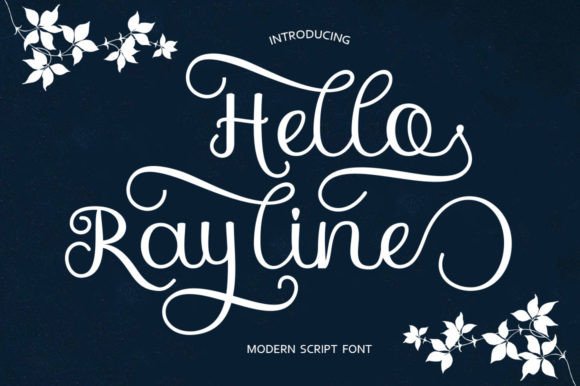
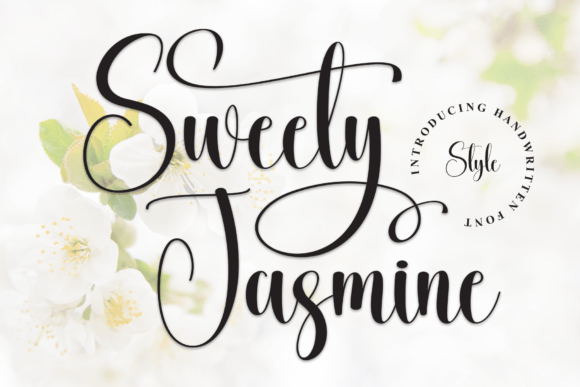
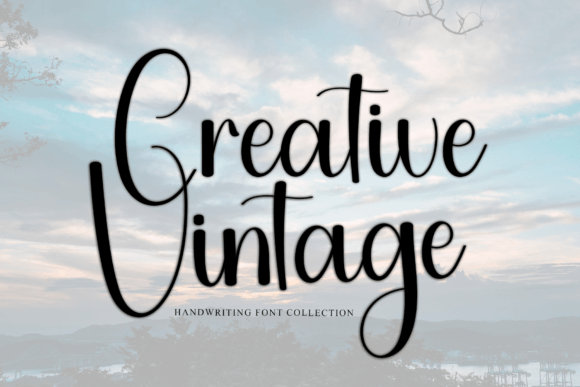
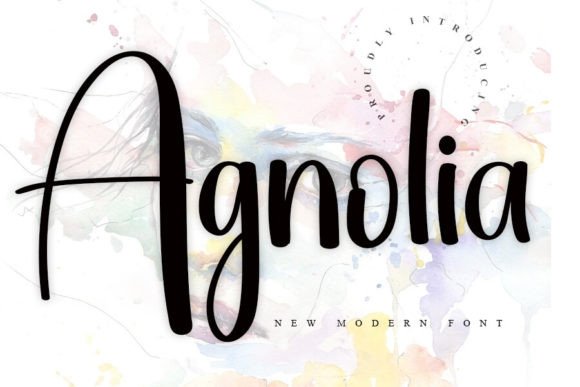
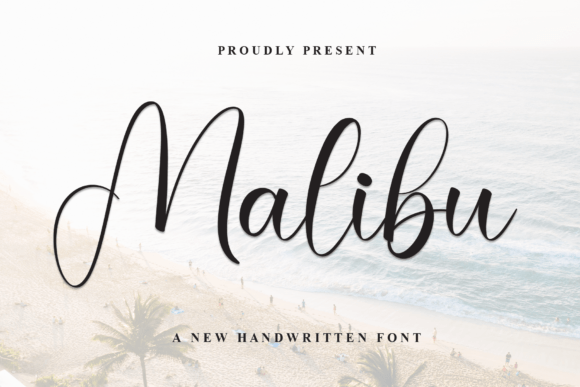
Script fonts like Malibu are designed to mimic the look of cursive handwriting, but not all script fonts are created equal. What sets Malibu apart is its balance between formality and warmth. The letterforms have a fluid, graceful appearance with subtle variations in stroke width and ligatures that give it an authentic feel. Unlike some script fonts that can be difficult to read at smaller sizes, Malibu maintains clarity even when used on compact designs such as business cards or labels.
This font also features a refined aesthetic that avoids the overly ornate or exaggerated characteristics found in many traditional scripts. Instead, it offers a modern interpretation of elegance, making it suitable for both contemporary and classic design styles. Its versatility allows it to adapt well to different applications, from digital content to print media.
When to Use Malibu
Malibu shines brightest in projects where a handwritten yet polished look is desired. Here are some common use cases:
- Wedding Invitations: With its romantic and sophisticated style, Malibu is ideal for formal events like weddings. It adds a sense of intimacy and luxury to printed invitations.
- Thank You Cards: The soft curves and flowing lines of Malibu make it perfect for expressing gratitude in a visually appealing way.
- Greeting Cards: Whether it's for birthdays, holidays, or special occasions, this font brings a personal touch to greeting card designs.
- Quotes and Motivational Texts: When designing quote graphics for social media, websites, or posters, Malibu helps create a more engaging and emotional visual impact.
- Logos and Branding: For brands that want to convey creativity, class, or a personal connection, Malibu can serve as an excellent choice for logo typography.
- Business Cards: Despite being a script font, Malibu’s clean structure ensures legibility, which is essential for effective communication on business cards.
These applications highlight how Malibu bridges the gap between casual and professional settings. However, its effectiveness depends on the context and how it is applied.
Strengths and Limitations of Malibu
One of the primary strengths of Malibu is its ability to add character without sacrificing usability. Many script fonts struggle with either being too decorative (and therefore hard to read) or too plain (lacking personality). Malibu finds a middle ground by offering expressive strokes and ligatures while keeping the overall design clean and structured.
Another advantage is its adaptability. Designers often find themselves needing a font that works across various platforms and mediums. Malibu performs well in both high-resolution print and digital formats, ensuring consistency in quality whether viewed on a screen or in person.
Despite these benefits, there are limitations to consider. Script fonts inherently require careful spacing and alignment to avoid visual clutter. In dense text blocks, Malibu may become challenging to read, especially if the designer isn't experienced with handling cursive-based typefaces. Additionally, while it’s elegant, it might not be the best choice for projects requiring strict formality or minimalism—where sans-serif or serif fonts could be more appropriate.
Best-Fit Situations
Malibu is particularly well-suited for the following scenarios:
- Personalized Stationery: From save-the-dates to thank you notes, Malibu adds a layer of charm and individuality.
- Event Branding: Weddings, galas, and product launches benefit from the font’s ability to evoke emotion and sophistication.
- Creative Logos: Brands in industries like fashion, lifestyle, or hospitality often use Malibu to create memorable, handcrafted logos.
- Digital Content: Social media posts, website headers, and blog titles can be elevated with the right script font, and Malibu delivers without compromising user experience.
Comparing Malibu to Other Script Fonts
In the world of script fonts, several options offer similar aesthetics. However, each comes with its own set of characteristics that may influence your decision. Here’s how Malibu stacks up against other popular choices:
Malibu vs. Brush Script
Brush Script is another widely used script font known for its natural brushstroke effect. While it’s great for informal designs and calligraphy-inspired work, it lacks the refined structure of Malibu. This makes Malibu more suitable for professional settings where readability is key, whereas Brush Script might be better for creative art or casual flyers.
Malibu vs. Great Vibes
Great Vibes is a beloved script font with bold, flowing characters. It’s often used in wedding designs and branding for its dramatic appeal. Compared to Malibu, Great Vibes is more stylized and less uniform, which can lead to inconsistencies in spacing. If you’re looking for something that feels more controlled and balanced, Malibu might be the better option.
Malibu vs. Allura
Allura is another elegant script that leans into the romantic and ornate side of typography. It has a softer, more whimsical feel than Malibu. While Allura is excellent for vintage or bohemian themes, Malibu offers a more modern and adaptable look. Both are beautiful, but the choice ultimately depends on the tone and style you wish to convey.
Design Considerations When Using Malibu
To get the most out of Malibu, it’s important to consider a few design elements:
- Color Contrast: Pairing Malibu with darker or neutral backgrounds enhances its legibility. Avoid using it on busy or patterned surfaces unless the contrast is strong enough.
- Font Size: Because it’s a script font, Malibu should be used in larger sizes for optimal readability. Smaller sizes can still work, but they require careful kerning and leading adjustments.
- Complementary Fonts: To maintain a cohesive design, pair Malibu with a contrasting font—such as a clean sans-serif or a sturdy serif—for body text or subtitles.
- Use of Ligatures: Ligatures help create smoother transitions between letters, giving the text a more natural, handwritten appearance. Ensure that your design software supports ligature features for the best results.
Real-World Examples
Here are a few practical examples of how Malibu has been effectively used:
- A boutique wedding planner used Malibu for custom invitation suites, combining it with a minimalist sans-serif for the address block. The result was a design that felt both luxurious and easy to read.
- A wellness brand incorporated Malibu into their logo to reflect a personalized and organic approach to health. The font added a human element to their otherwise modern branding.
- On a digital campaign for a new book launch, Malibu was chosen for the title because it evoked a sense of storytelling and creativity. The supporting text used a simple serif font to ensure clarity and focus remained on the headline.
Alternatives to Consider
If Malibu doesn’t quite fit your project, there are several alternatives worth exploring:
- Serif Fonts: For a more formal and timeless look, serif fonts like Georgia or Playfair Display offer excellent readability and elegance.
- Sans-Serif Fonts: If your design needs a cleaner, more modern feel, sans-serif fonts such as Lato or Montserrat provide a sleek alternative.
- Handwritten Fonts with More Texture: If you’re after a more rustic or raw look, consider fonts like Quicksand or Kalam, which offer a more natural brush or pen feel.
Choosing the right font involves understanding your audience, message, and medium. While Malibu is highly versatile, it may not always be the best fit—especially in situations where simplicity or boldness takes precedence over elegance.
How to Choose Between Malibu and Other Options
Deciding whether Malibu is the right font for your project requires evaluating a few key factors:
- Project Purpose: Does your design need to feel warm and inviting, or is it more about professionalism and clarity? Malibu is best suited for the former.
- Target Audience: Will your audience appreciate a handwritten style, or do they expect a more conventional look? Understanding your audience’s expectations can guide your font selection.
- Medium and Format: If your design will appear online, in print, or across multiple platforms, choose a font that maintains its integrity in all environments. Malibu does well in both digital and print contexts.
- Brand Identity: Does the font align with your brand’s voice and values? For brands that emphasize creativity and authenticity, Malibu can be a powerful asset.
Malibu as a Supporting Element
Even if Malibu isn’t the main font in your design, it can serve as a strong supporting element. For example, using it for headings or pull quotes within a document that uses a standard font for body text can create a nice visual hierarchy. Just be sure to test how it looks alongside other typefaces and adjust accordingly to maintain balance and harmony in the overall layout.
Conclusion
Malibu is a stylish and elegant script font that adds a handwritten touch to a wide range of design projects. Its balance of beauty and functionality makes it a favorite among designers who seek to elevate their work without compromising clarity. However, like any font, it has its place and purpose. By considering the nature of your project, your audience, and the design context, you can determine whether Malibu is the right choice or if another font might better suit your needs.
Ultimately, the goal is to select a font that enhances your message rather than overshadowing it. With thoughtful application, Malibu can bring a sense of sophistication and charm to your creative work, making it a valuable tool in your design arsenal.