Rough House: A Strategic Tool for Timeless Typography
In the ever-evolving landscape of design and branding, typography plays a pivotal role in shaping perception. Rough House, with its unique fusion of retro charm and contemporary precision, is more than just a decorative font—it’s a strategic asset that can elevate your creative projects from ordinary to extraordinary. Whether you’re an entrepreneur launching a new product, a marketer crafting a compelling campaign, or a designer seeking a distinctive visual identity, Rough House offers a versatile yet purposeful option.
Understanding the Essence of Rough House
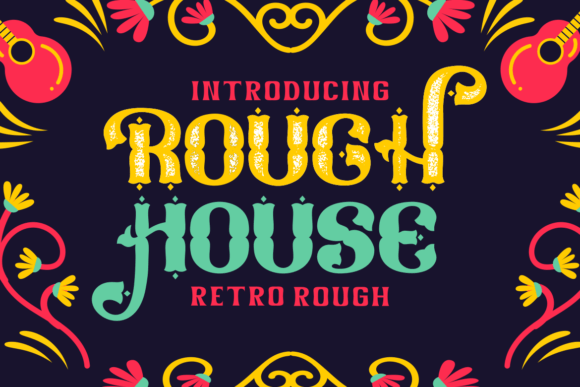
Rough House is a retro rough display font that bridges the gap between nostalgic aesthetics and modern functionality. Its character set includes two distinct variations in both OTF and TTF formats, allowing designers to adapt it across platforms—from digital media to print. The font’s personality is bold and expressive, with strokes and curves that evoke a sense of craftsmanship reminiscent of classic lettering styles while maintaining the clarity needed for today’s high-resolution screens.
This balance makes it ideal for use in logos, packaging designs, posters, invitations, business cards, and even children’s books. But beyond its visual appeal lies a deeper value: its ability to communicate intention and emotion effectively when used thoughtfully.
Strategic Use Cases for Rough House
- Branding Initiatives: When building a brand identity that evokes warmth, authenticity, or nostalgia, Rough House can serve as a strong typographic foundation. Its rough texture adds a tactile quality that resonates with audiences seeking connection through visual storytelling.
- Event Invitations: For weddings, birthdays, or corporate events where a vintage or artisanal feel is desired, this font can create a memorable first impression without overshadowing other design elements.
- Product Packaging: In industries like food, craft beer, or handmade goods, where branding often relies on sensory appeal, Rough House helps reinforce a handcrafted image with its organic appearance.
- Magazines & Publications: Titles and headings using this font can capture attention and set the tone for content that blends creativity with tradition.
Planning Thoughtfully with Rough House
Before integrating Rough House into your design work, consider the message you want to convey. This font isn’t a one-size-fits-all solution; it thrives in contexts where a certain level of character and emotional resonance is key. Ask yourself:
- Does the project benefit from a vintage or handmade aesthetic?
- Is the font legible enough for the intended audience and medium?
- Will it complement the overall color palette and layout?
For instance, using Rough House in a minimalist logo might clash with the clean lines and simplicity of the design. However, in a boutique coffee shop’s signage or a local bookstore’s promotional poster, it could become the defining element that sets the brand apart. Strategic planning involves aligning the font’s mood with your brand’s voice and the expectations of your target audience.
How to Approach Rough House Creatively
- Define Your Purpose: Identify whether you need the font for headlines, subheadings, or decorative accents. Understanding the role will guide how you apply it.
- Test Across Media: Ensure the font remains readable and impactful whether viewed on a smartphone screen or printed on cardstock. Adjust size and spacing accordingly.
- Pair with Simpler Fonts: To avoid overwhelming the viewer, use Rough House alongside a more neutral sans-serif or serif typeface for body text. This maintains readability while allowing the font to shine where it matters most.
- Use Sparingly: While its charm is undeniable, overuse can dilute its effect. Reserve it for focal points such as titles, taglines, or signature elements within a design.
The Power of Intentional Typography
Many designers fall into the trap of selecting fonts based on style alone, without considering their long-term impact on brand consistency or user experience. Rough House is no exception—its strength lies in its thoughtful application. By choosing it intentionally, you can enhance your communication strategy and make a stronger visual statement.
Consider the case of a small publishing house specializing in illustrated children’s books. By incorporating Rough House into their book covers and marketing materials, they not only created a cohesive look but also tapped into a market segment that values whimsy and tradition. The font helped them stand out among competitors who leaned heavily on digital-only aesthetics.
Enhancing Customer Experience Through Visual Consistency
Typography affects how customers perceive your brand at every touchpoint. From website headers to social media banners, a consistent use of Rough House can build familiarity and trust. It allows your audience to instantly recognize your brand’s visual language, especially in niches like lifestyle, education, or creative services where personality plays a big role.
Freelancers and educators, for example, may use this font in course materials or portfolio presentations to reflect a personal, approachable style. Similarly, bloggers in the vintage or DIY space can leverage it to create a thematic continuity that strengthens their brand narrative.
Positioning Your Brand with Rough House
Font choice is a subtle yet powerful tool in positioning your brand. Rough House is particularly effective in markets where consumers associate quality with authenticity. Think about niche businesses such as independent record labels, artisanal bakers, or vintage clothing retailers. These brands benefit from a typographic style that feels crafted rather than mass-produced.
To position your brand strategically with this font, start by identifying the core attributes you want to highlight. Is your brand playful? Rustic? Elegant? Then match those traits with the appropriate variation of Rough House. One version may have a softer, hand-drawn feel suitable for greeting cards, while the other could be bolder and more structured for posters or packaging.
Operational Integration and Productivity Gains
Designers working under tight deadlines often seek fonts that are both visually appealing and functional. Rough House meets this need by offering pre-formatted versions and multiple file types (OTF and TTF), ensuring compatibility with most design software. This reduces time spent troubleshooting formatting issues and increases productivity.
Moreover, because it comes in two variations, you can streamline your design process by selecting the right one upfront. This eliminates the need for last-minute changes or additional font sourcing, which is especially valuable in fast-paced environments like event planning or editorial design.
Risks of Using Rough House Without Clarity
While Rough House has a lot to offer, using it without clear goals or context can lead to miscommunication and poor design outcomes. For example, applying it to a technical manual or legal document would likely reduce readability and confuse the audience. Similarly, using it too frequently in a brand’s visual system can create inconsistency and dilute its impact.
Another risk is failing to consider accessibility. Decorative fonts like Rough House may not render well on all devices or for users with visual impairments. Always test legibility across different backgrounds and sizes before finalizing a design.
Decision-Making Guidance for Designers
When deciding whether to use Rough House, ask these practical questions:
- Who is my primary audience, and what do they expect from the design?
- What is the main goal of this project—branding, promotion, storytelling?
- Can I maintain consistency across all platforms if I choose this font?
By answering these questions upfront, you’ll ensure that your use of Rough House supports—not hinders—your broader design and communication objectives. It's not just about looking good; it's about creating meaningful engagement through typography that speaks directly to your audience.
Long-Term Value and Learning Opportunities
Investing in a font like Rough House can yield long-term value when used consistently across your brand’s assets. Over time, it becomes part of your visual identity, reinforcing recognition and recall. This is especially important for freelancers and small business owners who rely on repeat clients and community presence.
Additionally, experimenting with Rough House offers learning opportunities for emerging designers. It encourages them to think critically about how typography contributes to the emotional tone of a project. They can study how subtle variations in stroke weight and texture influence perception and usability, which is invaluable knowledge in any design discipline.
Practical Examples of Rough House in Action
Here are a few real-world examples of how Rough House can be applied effectively:
- A bakery uses it for signage and packaging to evoke a home-cooked, family-friendly vibe.
- An educational platform for kids incorporates it into worksheets and activity books to add a playful, engaging touch.
- A music festival leverages it for title graphics and promotional banners to create a retro-inspired atmosphere.
In each scenario, the font isn't just a stylistic choice—it's a strategic one that enhances the brand’s messaging and connects with the audience on a deeper level.
Conclusion: Typographic Strategy with Purpose
Rough House is a testament to the power of intentional typography. It doesn’t simply add visual flair—it tells a story, reinforces a brand’s identity, and engages the audience in a way that modern, sterile fonts often fail to do. However, its success hinges on careful planning, understanding of context, and alignment with your overall design goals.
Whether you're refining your branding, designing a special event, or exploring new creative avenues, consider how Rough House can support your vision. With its timeless charm and modern adaptability, it’s a font that invites thoughtful use and rewards it with lasting impact.