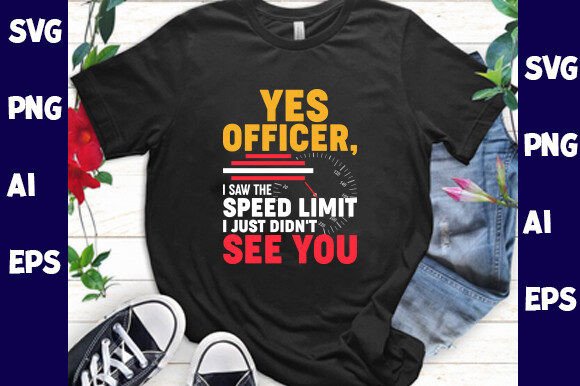
Yes Officer, I Saw the Speed Limit I Just Went Too Fast – And Why Digital Artwork Matters
“Yes officer, I saw the speed limit I just went too fast” might sound like a line from a courtroom sketch or an excuse from a speeding motorist, but it can also be a metaphor for how many of us approach digital artwork and design. In our fast-paced world, we often see the tools available—like SVG files, AI formats, and cutting software—but don’t always take the time to understand them fully. This article will explore the significance of digital artwork, its role in modern DIY projects and handmade businesses, and how understanding file types like SVG, PNG, AI, and EPS can elevate your creative output.
What Is Digital Artwork?
Digital artwork refers to any form of visual art created using digital technology. Unlike traditional art forms that use physical mediums such as paint or charcoal, digital artwork is crafted on computers or tablets using specialized software. It can include vector graphics, raster images, 3D models, animations, and more.
The rise of digital artwork has transformed the way people create and share their designs. Whether you're an artist, a small business owner, or a hobbyist, having access to high-quality digital artwork allows you to produce professional-looking products without the need for advanced artistic skills.
The Power of SVG Cut Files
One of the most versatile and widely used formats in digital artwork is the SVG (Scalable Vector Graphics) file. SVGs are vector-based, meaning they’re composed of paths and points rather than pixels. This makes them perfect for scaling up or down without losing quality, which is essential when creating designs for various applications.
SVG cut files are especially popular among crafters who use cutting software like Cricut Design Space, Silhouette Studio, and similar platforms. These files allow you to precisely cut out shapes, letters, and intricate patterns using electronic cutting machines. The result? Professional-grade creations with minimal effort.
- DIY Projects: SVG files are ideal for making custom T-shirts, wood signs, and greeting cards.
- Business Use: If you run a handmade business, SVG files let you consistently produce branded items like mugs, aprons, and tumblers.
- Customization: Because they’re scalable, SVG files adapt well to different sizes and materials, giving you creative freedom.
Why You Should Care About File Types
When purchasing digital artwork, it's important to know what kind of files you're receiving. A typical download might include:
- 1 SVG File: For precise cutting and resizing.
- 1 PNG File: A transparent background image suitable for printing and editing in graphic design software.
- 1 AI File: Adobe Illustrator format, allowing full customization and layer editing.
- 1 EPS File: Encapsulated PostScript format, commonly used for print and commercial applications due to its compatibility and scalability.
Each file type serves a unique purpose. Understanding these differences helps ensure your artwork looks great across all media and platforms. For example, if you're planning to make a large wooden sign, the SVG and EPS files are better choices because they maintain sharp edges at any size. Meanwhile, PNG files are excellent for online use or printed items with transparent backgrounds.
Common Misconceptions About Digital Artwork
Despite its popularity, there are still some misconceptions about digital artwork and file formats. One common misunderstanding is that SVG files are only for beginners or simple designs. In reality, SVG files can be as complex as needed and are used by professionals in industries ranging from fashion to signage.
Another myth is that once you buy digital artwork, you own it outright. That’s not necessarily true. Most digital artwork comes with specific usage rights. Always check the licensing agreement before using the design commercially or redistributing it.
How to Use Digital Artwork in Your Projects
If you're new to working with digital artwork, the process might seem intimidating at first. But with the right tools and a bit of guidance, you can unlock endless creative possibilities.
Step-by-Step Guide to Using SVG Files
- Select the Right Software: Choose a platform compatible with SVG files, such as Cricut Design Space or Silhouette Studio.
- Import the SVG File: Open your design software and import the SVG file. You’ll likely see layers or elements that can be edited individually.
- Customize the Design: Resize, recolor, or rearrange parts of the design to fit your project needs.
- Prepare for Cutting: Set up your cutting machine according to the software instructions and send the design for cutting.
- Apply to Your Project: Once cut, apply the design to your chosen material—whether it's fabric, wood, plastic, or paper.
This workflow is efficient and repeatable, making it ideal for both personal and commercial use. Imagine running a small business where each item you sell requires a unique label or logo. With SVG files, you can streamline production and maintain consistency across your product lines.
Digital Artwork in Modern Life and Business
In today’s digital age, the ability to create and manipulate digital artwork is becoming increasingly valuable. From home décor to promotional merchandise, the demand for personalized and custom-designed items is growing rapidly. Small businesses and entrepreneurs can leverage this trend by incorporating SVG and other digital artwork into their offerings.
For instance, a local bakery might use SVG files to create custom cupcake toppers for weddings or special events. A clothing brand could utilize SVG cut files to design unique patches or embroidery for their apparel. Even educators can benefit by designing interactive classroom posters or flashcards using digital artwork tools.
Real-Life Applications of Digital Artwork
- T-Shirts: SVG files can be used to cut heat transfer vinyl or directly printed onto garments.
- Wood Signs: Ideal for engraving or laser-cutting messages and designs into wooden surfaces.
- Tote Bags & Aprons: Perfect for screen printing or embroidery with SVG outlines.
- Mugs & Tumblers: Use SVG designs to add custom text or graphics via heat press techniques.
- Party Decor: Create invitations, banners, and table centerpieces with precision using SVG and PNG files.
These examples illustrate how digital artwork isn't just a tool—it's a bridge between creativity and practicality. By mastering the basics of SVG files and knowing how to use them effectively, you can turn simple ideas into stunning, marketable products.
Choosing the Right Digital Artwork for Your Needs
Not all digital artwork is created equal. When shopping for SVG cut files or other design assets, consider the following factors:
- Quality: Ensure the file includes clean lines and no overlapping elements that may cause cutting issues.
- Compatibility: Confirm the file works with your specific cutting machine and software.
- Licensing: Understand whether the design is for personal use only or if it allows for commercial application.
- Design Complexity: Some SVG files are simple outlines, while others come with color layers or multiple components.
By taking these considerations into account, you'll avoid potential problems and maximize the usefulness of the artwork you purchase. Remember, even the best design won't help you if it doesn’t work with your tools or exceeds your usage rights.
Where to Find Quality Digital Artwork
There are countless places online where you can find SVG files and other digital artwork. Some popular options include:
- Online Marketplaces: Platforms like Etsy, Creative Market, and Shutterstock offer a wide range of downloadable designs.
- Specialized Design Sites: Websites focused on SVG and DIY content often provide curated collections tailored for specific uses.
- Self-Made Designs: With practice, you can create your own SVG files using vector design software like Adobe Illustrator or free alternatives like Inkscape.
Always read reviews and check the seller's reputation before purchasing. High-quality digital artwork should feel intuitive to use and deliver consistent results across different materials and scales.
Why Transparency Matters in Digital Artwork
Transparency in digital artwork goes beyond just clear visuals. It includes transparency in licensing, file structure, and communication with customers. As a creator or seller, being upfront about how your artwork can be used builds trust and ensures compliance with copyright laws.
As a buyer, transparency means knowing exactly what you're getting. Reputable sellers will clearly list the included file types, usage restrictions, and any additional support available. This clarity prevents misunderstandings and legal issues later on.
Transparent Backgrounds and PNG Files
While SVG files are great for cutting, PNG files serve another crucial role: they provide a preview of how your design will look when printed or displayed. PNG files with transparent backgrounds are especially useful when placing the design over textured or patterned materials. They help visualize the final product before committing to a cut or print.
Embracing Creativity Through Technology
Digital artwork represents the intersection of creativity and technology. It empowers individuals to bring their visions to life with tools that were once reserved for professionals. Whether you're crafting for fun or building a brand, understanding how to use SVG files and other digital formats gives you the freedom to innovate and personalize.
Moreover, the accessibility of these tools has lowered the barrier to entry for aspiring designers and entrepreneurs. No longer do you need a fine arts degree or expensive equipment to create beautiful, functional designs. All you need is a computer, a bit of curiosity, and the willingness to learn.
Encouraging a Culture of Learning
Many people assume that working with digital artwork is complicated. However, once you grasp the fundamentals, the process becomes second nature. Online tutorials, forums, and communities dedicated to SVG cutting and design can help you overcome initial hurdles and grow your skills over time.
Learning how to use these files is not just about improving your craft—it's about opening doors to new opportunities. Whether you're looking to start a side hustle or simply want to make more meaningful gifts for loved ones, digital artwork provides the foundation for success.
Final Thoughts
Just as “yes officer, I saw the speed limit I just went too fast” highlights the importance of awareness and responsibility, working with digital artwork requires understanding and intentionality. Knowing how to use SVG files, PNGs, and other design formats ensures that your creations are both visually appealing and technically sound.
Whether you're a beginner or an experienced crafter, investing time in learning about digital artwork will pay off in the long run. It enhances your ability to create, expands your creative horizons, and supports your goals in both personal and professional contexts. So next time you're tempted to rush through a design without understanding the tools, remember: slowing down to learn can lead to faster, better results in the end.