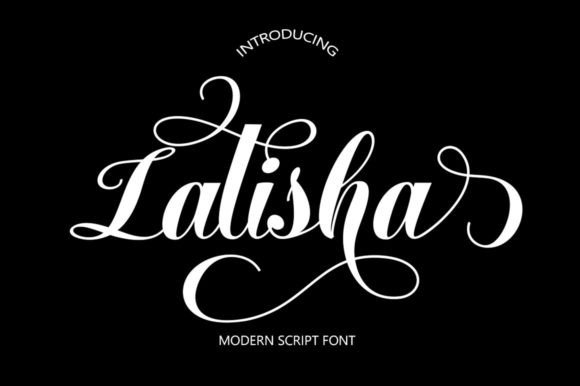
Latisha: A Modern Calligraphic Font for Purposeful Design
Elevating visual communication requires more than just choosing a font—it demands intentionality. Latisha, a new modern calligraphic script with irregular base lines, offers a unique blend of elegance and dynamism that can enhance your design strategy across multiple contexts. From wedding invitations to brand logos, this font brings a personal touch while maintaining professional appeal. Understanding how and when to use Latisha can significantly impact the effectiveness of your messaging and the perception of your work.
Why Choose Latisha?
In today’s visually driven market, typography plays a crucial role in shaping first impressions. Latisha stands out because it combines the fluidity of hand-lettered script with the precision of digital type. Its irregular baseline mimics the natural variation found in human handwriting, making it feel authentic and expressive. This characteristic makes it especially useful for designs where warmth and individuality are key selling points.
For entrepreneurs and small business owners, using a distinctive font like Latisha can help establish a memorable brand identity. It adds character without overwhelming other design elements, allowing for a balanced yet impactful aesthetic. Whether you're creating a logo or designing marketing collateral, the right font choice reinforces your message and aligns with your strategic goals.
Strategic Use in Branding and Communication
Branding is about consistency and clarity. While many brands rely on sans-serif fonts for readability, incorporating a script like Latisha in specific applications—such as taglines, signatures, or signature cards—can add depth and personality. Consider using it sparingly in headers or pull quotes to draw attention to key messages without sacrificing legibility.
For example, a boutique coffee shop might use Latisha in its logo to evoke a sense of craftsmanship and local charm. Meanwhile, a wellness coach could integrate it into greeting cards or thank-you notes to create a more personal connection with clients. The goal here isn’t to use Latisha everywhere, but to apply it where it enhances emotional resonance and brand storytelling.
Use Cases Where Latisha Shines
- Wedding Invitations: With its elegant curves and organic flow, Latisha is ideal for formal events that require a romantic or artistic tone.
- Thank You Cards: Adding a handwritten feel through Latisha helps personalize gratitude, which is especially effective in customer retention and relationship-building efforts.
- Quotes and Social Media Graphics: Inspirational content benefits from typographic variety. Latisha can make a quote stand out by pairing it with clean backgrounds and minimal supporting text.
- Business Cards and Stationery: When used thoughtfully, this font can differentiate your brand from competitors who rely on standard sans-serif or serif choices.
- Logo Typography: For businesses in creative industries—like fashion, art, or design—Latisha can serve as a core component of a bespoke logo.
Each of these applications shows how Latisha supports different communication goals. But its success depends on context. Before selecting it, ask yourself: Does this font reflect my brand’s values? Will it remain legible across various mediums and sizes? These questions ensure you’re not just following trends, but making informed design decisions.
Planning Tips for Effective Integration
- Define Your Typographic Hierarchy: Use Latisha for emphasis, not long passages of text. Pair it with a complementary sans-serif or serif font to maintain readability and visual harmony.
- Test Across Formats: Always preview how Latisha looks in print, on screens, and at smaller sizes. Irregular baselines may not render well in all environments.
- Consider Cultural and Contextual Nuances: Script fonts can vary in their interpretation depending on the audience. In some settings, they may be seen as too informal; in others, they convey sophistication.
- Align with Color and Layout: The contrast between Latisha and background colors should be high enough to preserve legibility. Avoid overly busy layouts that distract from the font’s beauty.
When Not to Use Latisha
Despite its strengths, Latisha is not a one-size-fits-all solution. There are scenarios where it might hinder rather than help. If your design needs to communicate urgency, clarity, or professionalism (such as legal documents or financial reports), a more structured font would be better suited.
Additionally, avoid using Latisha in multilingual projects unless you have verified its compatibility with non-Latin scripts. Similarly, refrain from overusing it in web interfaces or user-facing dashboards where legibility and accessibility are critical. Strategic application means knowing when restraint is better than repetition.
Risks of Random Use
Using Latisha without a clear purpose can lead to misalignment with your overall design strategy. It may clash with other branding elements or fail to meet the expectations of your target audience. For instance, if a tech startup uses a highly stylized script like Latisha on its website, it might unintentionally appear less credible or trustworthy.
Moreover, if you don’t consider how the font will perform across platforms—mobile, print, email—you risk inconsistency in your messaging. Always evaluate whether the font serves a functional role in addition to an aesthetic one. Thoughtful planning ensures that every visual decision contributes to your larger objectives.
How to Approach Latisha with Intent
To leverage Latisha effectively, start by defining the outcome you want to achieve. Is your goal to create a warm and inviting atmosphere? To highlight creativity in your portfolio? Once you’ve established your objective, consider how the font can support it.
A practical approach involves experimenting with different pairings and testing them in real-world scenarios. Let’s say you’re designing a series of promotional materials for a luxury candle line. You might try combining Latisha with a minimalist sans-serif font in product descriptions, using the script only for the name and tagline. This creates a cohesive look while still showcasing the brand’s unique voice.
Also, consider the psychology of typography. Fonts influence how people perceive a brand. Latisha evokes a sense of authenticity and artistry, which works well for lifestyle brands, event planners, and personal services. However, if your brand is more analytical or corporate, it may need to be paired carefully or used in limited contexts.
Long-Term Value and Brand Positioning
Typography is a subtle yet powerful part of brand positioning. Choosing Latisha isn’t just about aesthetics—it's about reinforcing the values and tone of your brand. Over time, consistent use of this font in appropriate places can help build recognition and trust among your audience.
For educators and publishers, integrating Latisha into book covers or educational materials can add a layer of creativity and engagement. For freelancers and creators, it can help set apart client deliverables or personal portfolios. In each case, the font becomes part of a broader strategy to position oneself as thoughtful, innovative, and detail-oriented.
Practical Examples and Real-World Impact
Let’s explore how Latisha has been used successfully in different fields:
- Wedding Industry: A designer used Latisha for the main title of a wedding invitation suite, complemented by a clean, geometric sans-serif for body text. The result was a balance of romance and modernity that resonated with couples seeking a unique event experience.
- Freelance Branding: A freelance graphic designer incorporated Latisha into her portfolio headers and client proposals. This added a personal touch that helped her stand out in a competitive market and increased client inquiries by 20% within six months.
- Small Business Identity: A handmade soap company used Latisha in their packaging and social media posts. The font aligned with their artisanal image and led to a noticeable increase in repeat customers and positive reviews.
These examples illustrate how intentional typography choices can contribute to measurable outcomes. By understanding your audience and aligning the font with your brand’s voice, you turn a stylistic element into a strategic asset.
Key Takeaways for Designers and Marketers
Here are some strategic observations to guide your use of Latisha:
- Match the Tone: Ensure that the font reflects the mood of your content—whether it’s celebratory, reflective, or professional.
- Balance Creativity and Legibility: Don’t sacrifice clarity for style. Use Latisha where it adds value without compromising readability.
- Build Consistency: Incorporate it into a defined typographic system so it complements rather than competes with other design elements.
- Plan for Accessibility: Provide alternative text or fallback fonts for users with visual impairments or those viewing content on low-resolution devices.
- Measure the Impact: Track how audiences respond to designs featuring Latisha. Are there higher engagement rates? Do customers recall your message better? Use these insights to refine your strategy.
Conclusion: Typography as a Strategic Tool
In the world of design, every choice carries weight. Latisha is more than just a pretty font—it’s a tool that can support your goals when used with care and insight. Whether you're launching a new product, redesigning your website, or crafting personalized communications, the thoughtful integration of this script can help you connect more deeply with your audience.
Remember, the most effective strategies are those built around clarity, purpose, and alignment. Using Latisha intentionally allows you to do just that—enhancing your visual communication while staying true to your brand’s identity and mission.