The Chicago Font: A Timeless Blend of Elegance and Modernity
Fonts play a crucial role in visual communication, shaping how we perceive messages, brands, and designs. One font that has stood the test of time while adapting to modern aesthetics is The Chicago. Known for its elegance and versatility, The Chicago font family has become a favorite among designers, businesses, and creatives alike. Whether used on wedding invitations, business cards, or digital advertisements, it consistently delivers a refined and contemporary look.
Understanding The Chicago Font
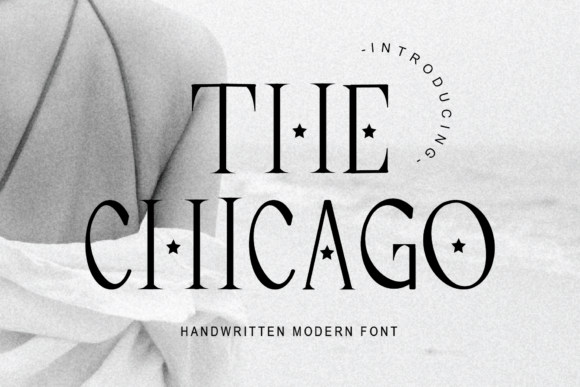
The Chicago is a typeface that combines clean lines with subtle serifs, giving it a classic yet modern appearance. It was originally developed as part of Apple’s early efforts to enhance typography on digital screens, particularly for the Macintosh computers in the 1980s. This font was designed to be readable at low resolutions, making it one of the pioneers in digital typography.
Over time, The Chicago font evolved into a broader family known as the Chicago Pro series. These variations include different weights and styles such as bold, italic, condensed, and extended, allowing users to apply them in various contexts. Despite its origins in the digital age, The Chicago font maintains an air of sophistication that makes it suitable for both traditional and modern design projects.
Key Characteristics of The Chicago Font
- Elegant Serif Design: The subtle serifs add a touch of refinement without overpowering the overall structure of the letters.
- High Readability: Its clear letterforms ensure that text remains legible even when printed or displayed on smaller screens.
- Versatile Weights and Styles: With multiple options available, it can adapt to a wide range of typographic needs.
- Modern Proportions: Balanced spacing and proportions make it visually appealing across different platforms and mediums.
Purpose and Significance of The Chicago Font
The primary purpose of any font is to convey information clearly and effectively. However, fonts also serve a secondary role in branding and design aesthetics. The Chicago font excels in both areas, offering a harmonious balance between form and function. Its historical significance as one of the first high-quality screen fonts gives it a unique place in the evolution of digital typography.
Designers often choose The Chicago font for projects where they want to communicate professionalism, creativity, or warmth. It works especially well in print media like magazines, brochures, and packaging due to its crispness and clarity. In digital formats, from websites to mobile apps, it maintains its integrity and visual appeal, ensuring consistent branding across all channels.
Why The Chicago Font Stands Out
- Historical Roots: As one of the earliest fonts optimized for computer displays, it represents a milestone in typography history.
- Timeless Appeal: Unlike many trendy fonts that fall out of favor quickly, The Chicago font has retained its popularity over decades.
- Wide Application Range: It suits both formal and informal contexts, from corporate documents to artistic expressions.
- Cross-Platform Consistency: Whether viewed on a phone, tablet, or desktop, The Chicago font looks polished and professional.
Practical Uses of The Chicago Font
The beauty of The Chicago font lies in its ability to enhance the visual experience without distracting from the message. Here are some common scenarios where this font shines:
Wedding Invitations
When it comes to wedding invitations, presentation matters. The Chicago font adds a sense of class and romance to these important documents. Its elegant curves and balanced weight make it ideal for titles, names, and event details. Many couples opt for a mix of The Chicago font with complementary script fonts to create a sophisticated and personalized invitation suite.
Business Cards and Professional Branding
In the business world, first impressions count. Using The Chicago font on business cards conveys professionalism and attention to detail. Its readability ensures that contact information stands out, while its stylish nature elevates the overall brand image. For logos or company headings, the bold variants of The Chicago font can offer a strong visual anchor without appearing too aggressive.
Logos and Product Packaging
Many brands rely on typography to establish their identity. The Chicago font’s versatility allows it to work well in logo design—especially for companies in the luxury, fashion, or lifestyle sectors. When paired with minimalist layouts and high-quality imagery, it helps create a cohesive and memorable brand presence.
Quotes and Greeting Cards
For greeting cards or motivational quotes, The Chicago font brings a warm and inviting tone. Its soft edges and structured form make it easy to read while still feeling personal and heartfelt. Designers often use lighter weights for body text and bolder versions for headlines or signatures.
Advertisements and Marketing Materials
Marketing materials need to grab attention quickly. The Chicago font offers a sleek and modern look that aligns with today’s advertising trends. From billboards to social media banners, it ensures that key messaging remains clear and impactful. Additionally, its availability in various styles makes it adaptable for different campaign themes.
How The Chicago Font Fits Into Modern Life
In our fast-paced digital world, typography is more than just a decorative element—it's a functional necessity. The Chicago font bridges the gap between traditional aesthetics and modern usability. Its roots in early computing mean it was built with clarity and performance in mind, which are still vital in today’s high-resolution screens and diverse viewing environments.
Professionals in graphic design, marketing, and publishing often turn to The Chicago font for its reliability and style. Educators may find it useful in presentations or course materials because it enhances readability without sacrificing visual interest. Even casual users who design personal blogs or social media content can benefit from its clean and attractive appearance.
Examples of The Chicago Font in Action
- Corporate Brochures: A financial services firm might use The Chicago font in their client-facing brochures to project trustworthiness and professionalism.
- Restaurant Menus: A fine dining establishment could feature The Chicago font on their menu to evoke a sense of elegance and quality.
- Book Covers: Publishers often select The Chicago font for book covers, especially in genres like literature or non-fiction, where a classic feel is desired.
- Website Headers: Web developers use The Chicago font in headers and subheadings to maintain a modern look while ensuring accessibility for all users.
Common Misconceptions About The Chicago Font
Despite its widespread use, there are a few misconceptions about The Chicago font that deserve clarification:
- It’s only for old-school designs: While The Chicago font has historical roots, its modern variants make it highly relevant for current design trends.
- It lacks personality: On the contrary, The Chicago font’s subtle charm and variety of styles allow it to express different moods—from formal to creative.
- It’s difficult to pair with other fonts: The Chicago font pairs well with many sans-serif and script fonts, offering flexibility rather than rigidity in design choices.
By understanding these nuances, designers and everyday users can harness the full potential of The Chicago font in their projects.
Choosing the Right Variant for Your Project
With so many options available, selecting the appropriate variant of The Chicago font is essential. Here’s a quick guide to help you decide:
| Variant | Ideal Use |
|---|---|
| Chicago Pro Regular | Body text, general use |
| Chicago Pro Bold | Headlines, titles, emphasis |
| Chicago Pro Italic | Subtle stylistic accents, quotes |
| Chicago Pro Condensed | Space-saving headlines, logos |
| Chicago Pro Extended | Large-scale printing, posters |
Each variant brings something unique to the table, and using them together can create a layered and dynamic typographic hierarchy.
Where to Find and How to Use The Chicago Font
If you're interested in using The Chicago font for your next project, it's widely available through major font foundries and online platforms. You can access it via Typodermis, Adobe Fonts, or other licensed font providers. Always ensure you have the correct license for commercial or personal use, depending on your needs.
Using The Chicago font is straightforward in most design software such as Adobe Illustrator, Photoshop, InDesign, or even Microsoft Word. Simply install the font on your system, open your preferred application, and select it from the font menu. Experiment with different weights and sizes to see what best suits your design.
Best Practices for Typography
- Use contrasting fonts for hierarchy: Pair The Chicago font with a sans-serif font for body text to create visual contrast.
- Limit the number of font styles: Stick to two or three variants within a single project to maintain consistency and avoid clutter.
- Consider line spacing and size: Adjust these settings to improve readability and aesthetics, especially for long texts.
- Test on multiple devices: Ensure the font renders well on both high-resolution and lower-resolution screens.
Final Thoughts on The Chicago Font
The Chicago font is more than just a stylish choice—it’s a versatile tool that enhances communication across a broad spectrum of applications. Its blend of elegance and functionality makes it a go-to option for professionals and hobbyists alike. By understanding its characteristics, uses, and best practices, you can incorporate it into your designs with confidence and creativity.
Whether you’re crafting a wedding invitation, designing a product package, or updating your website, The Chicago font offers a timeless solution that meets modern demands. So the next time you’re looking for a font that strikes the perfect balance between tradition and innovation, consider reaching for The Chicago.