Inktype Font: A Versatile Hand-Drawn Serif for Modern Design
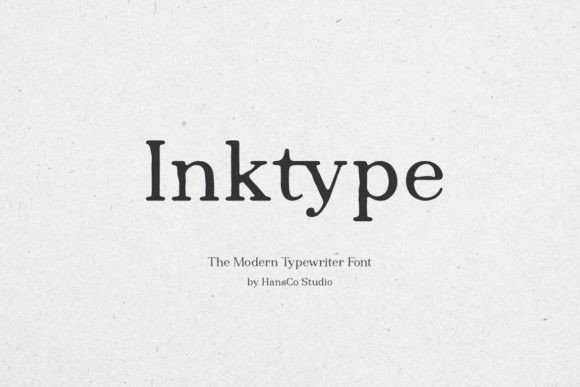
Fonts play a crucial role in shaping the visual identity of any project, from digital content to print materials. Among the many options available today, Inktype stands out as a unique and expressive choice. This hand-drawn serif font blends the charm of vintage aesthetics with the clarity and structure of modern typography. Its organic feel makes it ideal for creative professionals, entrepreneurs, and hobbyists looking to add personality to their designs without sacrificing readability.
Why Choose Inktype?
Inktype is more than just another decorative font—it's a tool that can elevate your work across multiple platforms. With its soft curves and subtle imperfections, it evokes warmth and authenticity, making it perfect for branding, social media, and personal projects. Whether you're designing an Instagram post, crafting greeting cards, or working on blog titles, this font brings a human touch that polished sans-serif or overly stylized scripts often miss.
Its versatility extends to various applications including posters, invitations, stationery, fashion elements, and even business cards. Because Inktype includes full uppercase, lowercase, numbers, and punctuation characters, it’s not limited to short phrases or logos but can be used throughout entire documents. Plus, with extensive language support, it's a globally accessible option for designers who work across cultures and languages.
Common Mistakes When Choosing Inktype
One common mistake people make when selecting fonts is underestimating the importance of context. While Inktype looks stunning in many scenarios, it may not always be the best fit. For example, using it in long paragraphs of body text can reduce legibility due to its intricate serifs and hand-drawn nature. Always consider the purpose of your design before choosing a font style.
Another frequent oversight is failing to pair Inktype with complementary fonts. Mixing fonts effectively is key to maintaining balance in a layout. Using Inktype alongside a bold sans-serif for headlines or a minimalist typeface for body copy can enhance the overall design rather than create visual clutter.
How to Avoid Misusing Inktype
- Use sparingly for body text: Reserve Inktype for headings, titles, and short impactful messages. For longer texts, pair it with a clean, easy-to-read font to maintain clarity.
- Test different sizes: Before finalizing your design, test how Inktype looks at various sizes. Sometimes a font that appears charming at large sizes loses its appeal when scaled down for smaller details like captions or footnotes.
- Balance contrast: Make sure there’s enough contrast between the background and the text color. A light pink ink on pastel paper might look cute but could strain the eyes. Stick to darker hues for better visibility.
Understanding Licensing and Usage Rights
Before downloading or purchasing Inktype, it’s essential to understand its licensing terms. Many free fonts come with restrictions—such as being non-commercial or requiring attribution. If you plan to use Inktype in client projects, merchandise, or professional branding, ensure you’re using a properly licensed version. This will save you from potential legal issues and help you maintain professionalism in your work.
A practical tip here is to visit the official website or trusted font marketplaces like Creative Market, Envato Elements, or Adobe Fonts to verify the license type. These platforms usually provide clear information about what you can and cannot do with the font once purchased.
Designing Responsibly with Inktype
Some users overlook the impact of spacing and alignment when applying Inktype in their layouts. Because it's a hand-drawn font, each character has slight variations, which can throw off uniformity if not handled correctly. To avoid this, use consistent line heights and letter spacing. You can also slightly adjust individual letters manually to create a more harmonious flow, especially in display text.
For instance, when creating a poster for a boutique launch, you might want to use Inktype for the headline but switch to a simpler font for the event details below. This approach keeps the design visually appealing while ensuring all necessary information remains easy to read.
Realistic Examples of Inktype in Use
Let’s take a real-world scenario: a small bakery owner wants to design a new packaging label. They choose Inktype because it feels warm and artisanal. However, they mistakenly apply it in both the logo and the ingredient list. The result? A beautiful logo that’s hard to read in the smaller text areas. A better approach would be to use Inktype only for the brand name and tagline, then pair it with a clean, compact sans-serif for the rest of the content.
Similarly, a blogger aiming to create a cozy, handmade aesthetic for their site title might overdo it by using Inktype in every heading and subheading. This can lead to a disjointed reading experience. Instead, using Inktype for the main blog title and a simpler, structured font for categories and navigation bars ensures a smoother user experience while keeping the theme intact.
What to Check Before Committing to Inktype
- Check compatibility: Ensure Inktype works well with your design software (e.g., Canva, Photoshop, Illustrator) and operating system. Some fonts behave differently across platforms.
- Consider accessibility: Evaluate how readable Inktype is for audiences with visual impairments. High contrast and larger font sizes can help mitigate potential issues.
- Review cultural appropriateness: If you're using Inktype in a multilingual context, check whether the language support aligns with your audience's needs. Not all scripts are created equal, and missing glyphs can disrupt the message.
Comparing Inktype with Similar Fonts
When exploring hand-drawn serif fonts, it’s easy to confuse Inktype with others like Great Vibes, Allura, or Dancing Script. While those fonts offer a similar whimsical vibe, they differ in weight, structure, and character set. Inktype provides a more balanced mix of elegance and casualness, which makes it suitable for both artistic and functional uses.
If you're deciding between Inktype and a more rigid serif like Playfair Display, remember that Inktype offers a softer, friendlier tone. It’s great for personal brands, lifestyle blogs, and anything where a nostalgic or handcrafted feel is desired. However, if you need something formal for legal or academic documents, stick to traditional serif fonts with consistent strokes and no variation.
Practical Tips for Better Font Pairing
Font pairing isn’t just about matching styles—it’s about enhancing legibility and hierarchy. Here are some tried-and-true combinations that work well with Inktype:
- Inktype + Lato: This combination balances the handwritten charm of Inktype with the crisp simplicity of Lato, making it great for blogs or websites.
- Inktype + Montserrat: Ideal for branding projects, where the boldness of Montserrat complements the delicate nature of Inktype.
- Inktype + Open Sans: Perfect for editorial designs or marketing materials where you want to keep the body text neutral and easy to scan.
Optimizing Your Workflow with Inktype
Many beginners don’t realize that installing a font properly can prevent headaches later. Always download the font from a reputable source and install it via your device’s settings or directly within your design software. Avoid embedding unlicensed fonts into web pages unless permitted by the font's license agreement.
Additionally, don’t forget to back up your font files. Losing access to Inktype after a computer crash or OS update can disrupt your workflow. Keep a copy stored securely in the cloud or on an external drive.
When to Say No to Inktype
There are times when Inktype simply won't serve your design goals. For example, in data-heavy presentations or technical reports, a highly stylized font can distract from the content. In such cases, opt for a standard sans-serif like Helvetica or Arial to maintain professionalism.
Also, avoid using Inktype in situations where high speed of reading is important. Think of product labels, infographics, or signage in public spaces. Clarity trumps cuteness in these contexts.
Final Thoughts on Making the Most of Inktype
Inktype is a powerful addition to any designer's toolkit, especially for those who appreciate the blend of vintage flair and contemporary usability. But like any font, it requires thoughtful application. By understanding its strengths and limitations, you can avoid common pitfalls and unlock its full creative potential.
So, before you start using Inktype for your next project, ask yourself: does this font enhance the message, or does it distract from it? If it adds the right kind of personality without compromising clarity, then you're on the right track. Otherwise, consider alternatives that might better suit your needs.